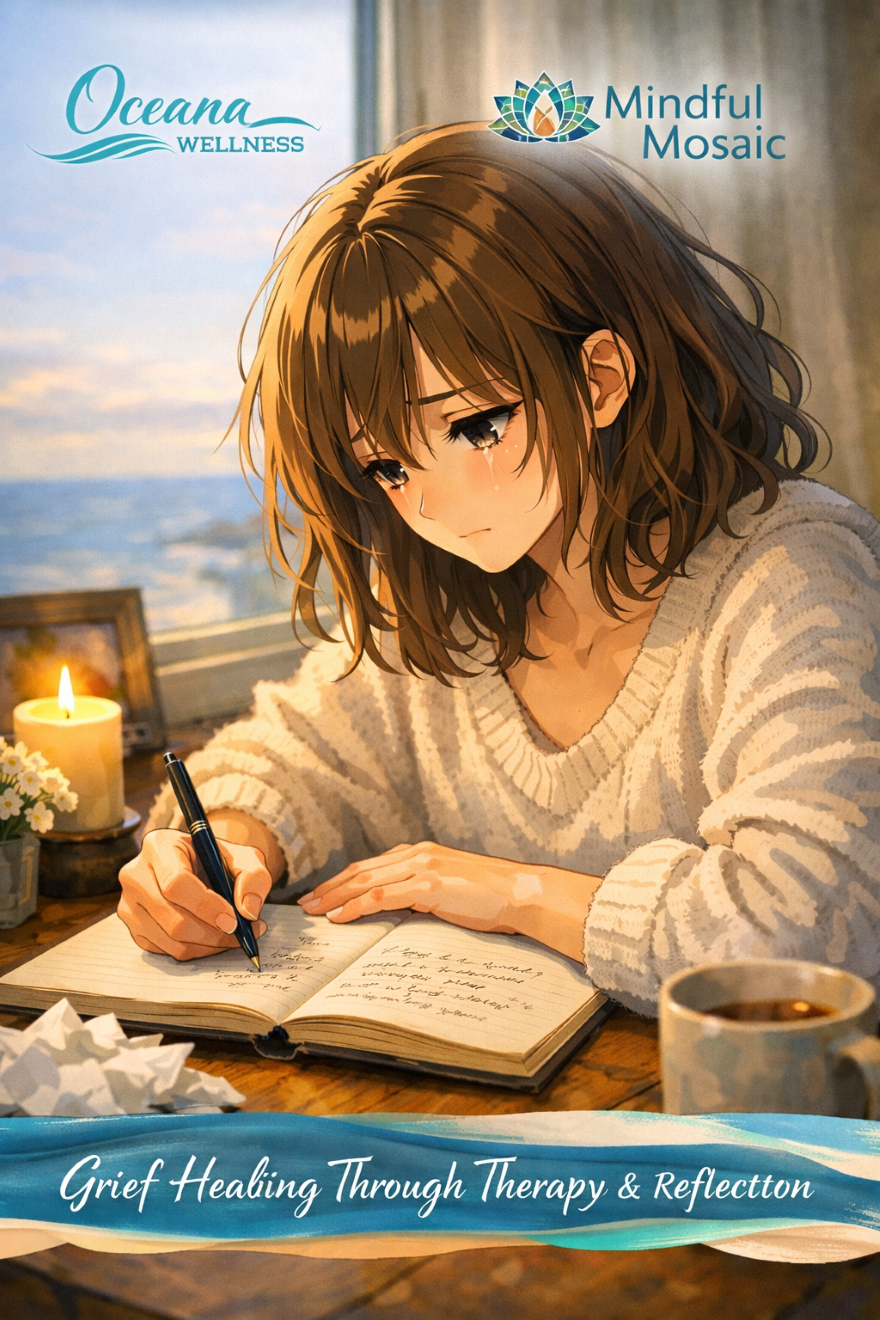

When Grief Has a Name: Christopher’s Journal After Jennifer
I never imagined I would be writing about my wife in the past tense.
Jennifer (name changed) and I met in high school — lockers, late-night phone calls, prom photos that still sit framed in our hallway. We built a life the ordinary way: jobs, mortgage, two beautiful children, inside jokes that only twenty-five years of love can create.
At forty-two, she was supposed to be planning our daughter’s kindergarten recital and our son’s ninth birthday party.
Instead, she was planning scans.
________________________________________
The Symptoms No One Could Name
It started quietly — stomach pain, fatigue, back aches. Then nausea. Weight loss. A strange yellowing that came and went.
We went to emergency rooms again and again. Different shifts. Different faces. Same conclusion.
“You’re young.”
“It’s probably stress.”
“Anxiety can manifest physically.”
Jennifer did have a documented anxiety disorder. It was on every chart. I watched the shift happen the moment staff read that line.
The tone changed.
The eye contact changed.
The urgency changed.
She was referred — more than once — to psychiatry and therapy before she was referred for comprehensive imaging.
My wife would come home and cry quietly in the shower. She told me about the looks. The sighs. The subtle questions that implied exaggeration. I felt angry. Helpless. I wanted to stand on the nurses’ station counter and shout:
“She is not imagining this.”
But I trusted the system. We both did.
________________________________________
The Day Everything Broke
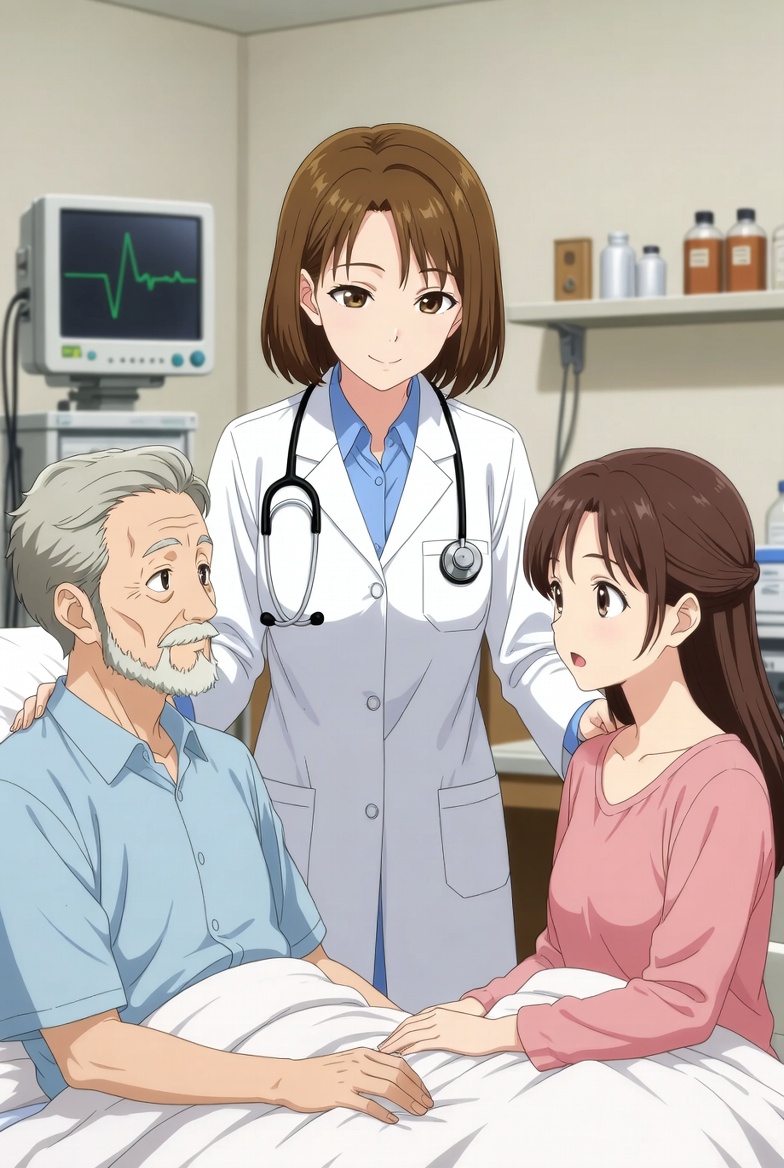
The day Jennifer collapsed, the ER finally moved quickly.
CT. Labs. Consults. Whispers in hallways.
Then the word no one expects at forty-two:
Pancreatic cancer.
Aggressive. Late stage. Already spread.
I remember the oncologist’s mouth moving, but I couldn’t hear the sentences. All I could think was:
We were here. We came so many times. Why didn’t anyone look sooner?
________________________________________
Six Months
Six months.
Six months of chemotherapy.
Six months of holding her hair back.
Six months of trying to make memories feel normal.
Jennifer died on our son’s eighth birthday.
We sang anyway. Because she asked us to.
I watched my son try to be brave while cutting his cake. My daughter kept asking when Mommy would wake up.
There is no language for that kind of fracture.
________________________________________
Anger
Grief is not soft for me. It is sharp.
I am angry at a system that can overlook symptoms when a psychiatric diagnosis is visible on a chart.
I am angry at how easily physical complaints can be dismissed when someone has a mental health history.
I am angry at how “too young” became a reason not to investigate.
And I am angry at myself — for not pushing harder, for not demanding more, for believing reassurance over instinct.
________________________________________
When I Couldn’t Carry It
Three months after Jennifer died, I tried to join her.
The responsibility of two small children. The silence of our bedroom. The rage inside my chest.
I swallowed pills.
I woke up in a crisis center.
Then psychiatric hospitalization. Therapy. Medication adjustments. Grief counseling.
I used to think asking for help was weakness. Now I know survival sometimes requires surrender.
________________________________________
What I’ve Learned
I write this not only as a husband who lost his wife, but as a man who almost left his children motherless and fatherless.
Here is what Jennifer’s story taught me:
1. Self-Advocacy Is Not Aggression
If something feels wrong, push. Ask for imaging. Ask for labs. Ask for a second opinion. Document symptoms. Bring someone with you.
You are not difficult. You are protecting your life.
2. Mental Health Diagnoses Should Not Erase Physical Symptoms
Anxiety does not make jaundice.
Depression does not cause obstructive tumors.
Stigma within healthcare is real. Medical gaslighting is real. And it can cost time — sometimes the most precious currency in oncology.
3. Young Does Not Mean Safe
Pancreatic cancer is often associated with older age, but younger patients exist. Dismissing based on age alone is dangerous.
4. Grief Can Turn Deadly
Men don’t talk about this enough. After Jennifer died, I didn’t just miss her. I lost identity, direction, partnership, and hope — all at once.
If you are drowning in grief:
• Call someone.
• Walk into an ER.
• Sit in a crisis center.
• Let yourself be held.
There is no shame in surviving.
________________________________________
For My Children
My son still celebrates his birthday with a shadow.
My daughter keeps one of Jennifer’s scarves under her pillow.
We talk about their mother openly. We say her name every day.
I tell them she fought. I tell them she loved fiercely. I tell them that sometimes systems fail people, but we keep speaking anyway.
________________________________________
Jennifer’s Legacy
If I could speak to every healthcare provider reading this, I would say:
Look twice.
Listen longer.
Do not let a psychiatric diagnosis cloud clinical curiosity.
If I could speak to every spouse sitting in a waiting room:
Trust your gut.
Take notes.
Escalate when needed.
And if I could speak to the man I was the night I swallowed those pills:
Your children still need you.
Grief is not a reason to disappear.
It is a reason to build differently.
I miss Jennifer every hour.
But I am still here.
And I will keep writing — not only to survive her absence, but to make sure her story pushes someone to ask one more question, order one more test, or refuse to be dismissed.
Because sometimes advocacy is love in its most defiant form.
Disclaimer:
=====================================================================================================
The content shared on Oceana Wellness and Mindful Mosaic, including blogs, reflections, educational resources, journal narratives (such as Christopher and Jennifer’s story), downloadable materials, and social media content, is intended for educational, reflective, and informational purposes only.
1. Not Medical or Psychiatric Advice
The information provided on this website does not constitute medical advice, psychiatric diagnosis, psychotherapy, or treatment recommendations. Reading content on this platform does not establish a doctor–patient, therapist–client, or any other clinical relationship.
Always consult a qualified physician, psychiatrist, psychologist, or licensed healthcare provider regarding any medical or mental health concerns. Do not disregard professional medical advice or delay seeking care because of something you have read here.
________________________________________
2. Emergency Disclaimer
If you or someone you know is experiencing a medical emergency, suicidal thoughts, or a mental health crisis:
• Contact local emergency services immediately.
• Go to the nearest emergency room.
• Reach out to a crisis hotline in your country.
This website does not provide crisis intervention services.
________________________________________
3. Personal Narratives
Stories shared on this platform may reflect lived experiences and personal perspectives. They are not intended to generalize medical outcomes, predict prognosis, or replace individualized professional evaluation.
Each medical and mental health journey is unique. Outcomes vary based on multiple clinical and systemic factors.
________________________________________
4. Advocacy & Systemic Commentary
Content discussing medical advocacy, stigma, or healthcare experiences is intended to raise awareness and encourage informed communication with healthcare providers. It should not be interpreted as legal advice or as a substitute for professional consultation.
________________________________________
5. Mental Health and Stigma Awareness
Discussions about medical gaslighting, psychiatric diagnoses, trauma, grief, and systemic bias are educational in nature. They are meant to promote dialogue, compassion, and informed self-advocacy — not to discourage trust in qualified healthcare professionals.
________________________________________
6. No Guarantees
Oceana Wellness and Mindful Mosaic do not guarantee specific health, psychological, or life outcomes from reading or applying the content shared.
________________________________________
7. Use at Your Own Discretion
By using this website, you acknowledge that you are responsible for your own healthcare decisions and that the information provided is supplemental to — not a replacement for — professional care.
________________________________________
Our Ethical Commitment
Oceana Wellness & Mindful Mosaic are committed to:
• Trauma-informed communication
• Evidence-informed education
• Reducing stigma around mental health
• Encouraging collaborative, respectful healthcare relationships
We believe advocacy and compassion can coexist with clinical responsibility.
________________________________________
If you have questions regarding this disclaimer or the scope of content, please contact us through the official website contact page.
________________________________________
Healing requires both information and professional guidance. Please seek appropriate licensed care for your individual needs.
Disclaimer: The content published on Oceana Wellness and Mindful Mosaic, including personal narratives, educational blogs, and advocacy reflections, is intended for informational and awareness purposes only and does not constitute medical, psychiatric, psychological, or legal advice. Reading this website does not establish a doctor–patient or therapist–client relationship. Individual health conditions and outcomes vary, and all medical or mental health concerns should be discussed directly with a qualified, licensed healthcare professional. If you are experiencing a medical emergency or mental health crisis, please seek immediate emergency care or contact local crisis services.
Copyright © Oceana Wellness and Mindful Mosaic All Rights Reserved. Designed by InfoSky Solutions

 +917005665613
 wellnessoceana@gmail.com